 Skip to content




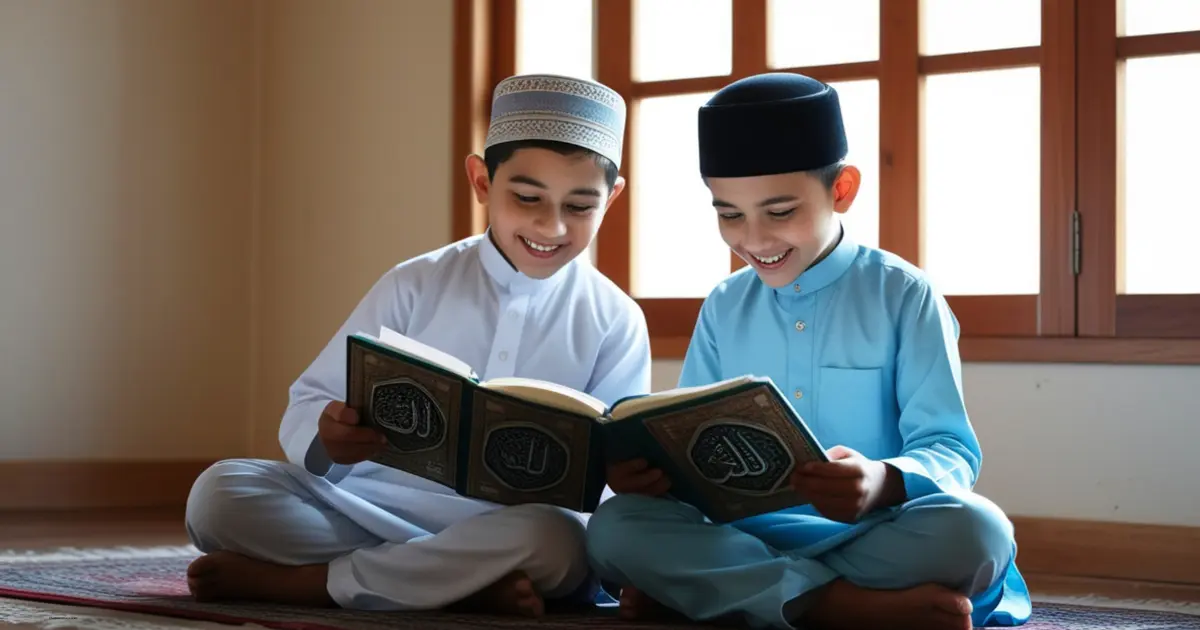
| You can make Quran learning fun for kids by replacing rigid repetition with games, stories, songs, rewards, and hands-on activities that build a child’s emotional connection to the Quran before they even realize they are learning. |
Ask any Muslim parent who has tried to sit their six-year-old down for a Quran lesson and you will hear the same story. The first week goes beautifully. By the third week, your child is flopped dramatically across the chair asking if they can do literally anything else. Sound familiar?
The truth is, this is not a failure of your child or your parenting. It is a signal that the approach needs to change. Children learn through joy, play, curiosity, and connection, not through sitting still and repeating sounds until something sticks. When you know how to make Quran learning fun for kids, the entire dynamic shifts. Lessons become something your child looks forward to, and the love you are trying to build in their heart for the Quran begins to grow naturally. One of the best ways to achieve this today is to learn online Quran through engaging, interactive sessions designed specifically for young minds.
Why Making Quran Learning Fun Actually Matters
Some parents worry that making things too enjoyable removes the seriousness of the Quran. This concern comes from a good place but rests on a misunderstanding of how children actually form lasting relationships with anything sacred.
The best way to teach the Quran to kids is to make it fun, so they link the Quran with happy and positive experiences. This will make them curious and help them feel closer to its lessons.
A child who associates the Quran with warmth, laughter, and success will open it willingly for the rest of their life. A child who associates it with stress, long sitting sessions, and frustration will spend their adult years trying to rebuild that relationship. The stakes of making it enjoyable are genuinely high, and they are entirely spiritual.
When learning is enjoyable, children are more motivated, retain knowledge better, and develop a positive attitude towards daily Quran recitation. Enrolling your child in an islamic education program online gives them access to structured, joyful lessons that build this positive relationship from the very start.
Start With the Right Foundation: Arabic Letters Before Surahs
One of the most common mistakes parents make when teaching the Quran to beginners at home is jumping straight into Surah memorization before the child has a solid grasp of Arabic letters and sounds. This creates confusion, builds bad pronunciation habits, and makes the whole experience feel like a struggle.
The right starting point is the Noorani Qaida, a beginner-friendly structured booklet that introduces Arabic letters, correct pronunciation, short vowels, and the basics of Tajweed in a step-by-step sequence. Starting with Noorani Qaida allows kids to gradually recognize Arabic letters, understand short vowels (Harakat), and pronounce words correctly. These skills are essential before moving on to reading the Quran directly. Using Noorani Qaida also makes learning interactive, and parents and teachers can practice letters and words together with children through repetition, visual aids, and audio resources.
Begin by introducing the Arabic alphabet and its pronunciation. The Noorani Qaida provides a step-by-step guide that makes learning easy and fun for kids. Incorporate colorful flashcards, charts, and interactive online resources into your teaching methods. Visual aids can greatly enhance a child’s understanding of letters and words.
Starting correctly does something else equally important: it gives your child early wins. When a child successfully reads their first Arabic word, that moment of pride is motivational fuel that carries them forward.
Use Storytelling to Bring the Quran to Life
Children are natural storytellers and natural listeners. The moment a lesson becomes a story, posture changes, eyes widen, and questions start flowing. The Quran is one of the richest sources of narrative in the world, and using these stories is one of the most powerful ways to make Quran learning fun for kids.
Stories play an important role in various educational and didactic areas. Sharing Quranic stories with your children is of great importance as it instills the love of the Quran in their hearts. Teaching kids Quran through stories also carries different aims such as to cause thinking or serve as a good example for them to follow. You can easily achieve this by using storybooks before bedtime or Islamic cartoon videos that will increase their understanding of the Quran.
Stories of adventure, filial piety, pursuit of knowledge, and determination fill the Quran. Stories of prophets can supplement and boost the learning of the Quran. Seeking out children’s books or online resources to further spark your kids’ imagination expands their understanding of the Quran as a whole.
When a child knows the story of Prophet Yunus (AS) before they begin memorizing Surah Al-Anbiya, the words carry images and meaning that make retention significantly easier. Meaning is the glue that makes memorization stick.

Turn Lessons Into Games
Play is how children process the world. It is not a distraction from learning; it is the mechanism through which young minds absorb and retain information most effectively. Incorporating games into Quran lessons is not a compromise of the lesson’s value. It is smart teaching.
Kids pick up knowledge with ease when it comes in the form of games. One approach is to identify certain Surahs or ayat which they know or like, then reciting it in full. Words of encouragement and praise help in boosting confidence. Grab a timer or use your smartphone and add an element of friendly competition if there are more than two kids in your household.
Here are some practical ideas you can use immediately:
Surah Guessing Game. Play a recitation by a well-known Qari and challenge your child to name the Surah before you do. The first one to identify it correctly picks the next one.
Flashcard Races. Use Arabic letter flashcards and time how quickly your child can identify each one. Track the time and let them try to beat their own record.
Ayah Completion. You recite the first half of an ayah they have memorized and pause, waiting for them to complete it. Simple, competitive, and deeply effective for revision.
Quranic Treasure Hunt. Write ayaat on small cards and hide them around the room. Each one your child finds, they must recite correctly before collecting it.
Transforming Quranic learning into a playful adventure through interactive games that focus on verses, memorization, or even a Quranic treasure hunt not only adds an element of joy but also reinforces lessons memorably.
Play Quran Recitations in the Background at Home
This one costs no effort and produces extraordinary results over time. Simply playing beautiful Quran recitations by well-known Qaris throughout the day, during breakfast, in the car, as background while children play, quietly during bedtime, builds familiarity with the sounds, rhythms, and melodies of the Quran long before formal lessons begin.
One of the easiest ways to immerse your children in the Quran is by simply playing it in the background, whether in the car, during breakfast, or while winding down for bed. The more they hear it, the more familiar they become with its sounds, making memorization a breeze when they are ready.
Children who grow up hearing the Quran recited beautifully come to lessons with an enormous advantage. They have already internalized the melody and rhythm of many Surahs without ever sitting down to formally study them. When memorization begins, it feels less like learning something new and more like remembering something they already know.
Use Rhythm and Movement in Recitation
Children’s bodies and minds are deeply connected. Sitting completely still for a recitation session actually works against the way young children are wired to learn. Adding rhythm, movement, and physical engagement to lessons transforms the experience entirely.
Young kids often need a helping hand when it comes to reading and memorizing the Quran. Reading the verses to them and having them repeat after you creates a team effort, like playing a round of call and response. Turning recitation into a sing-song style works wonderfully because kids love rhythm and it helps with memorization.
Clapping along to the beat of a Surah, swaying gently during recitation, using hand gestures tied to specific words, or even letting children trace Arabic letters in sand or with finger paint are all ways to bring the body into the lesson and anchor the learning more deeply in memory.
Counting beats helps kids control the sound length of Madd letters, and clapping or tapping lightly along with the beat while gradually reducing support allows the child to self-regulate. This technique builds precision and rhythm in recitation from an early stage.
Build a Reward System That Celebrates Every Step
Rewards work when they are proportionate, consistent, and tied to effort rather than just outcomes. The goal is not to bribe children into learning the Quran. The goal is to create enough positive emotional association with lessons that the child wants to keep showing up.
Rewarding achievements with badges, stickers, or points maintains enthusiasm. Including quizzes and mini-games after each lesson reinforces learning in a fun way. Encouraging children to explain or teach a part of the lesson to family members strengthens their understanding.
A simple progress chart on the wall where your child places a sticker after every completed lesson gives them a visual record of their own achievement. Children love seeing how far they have come. Completing a Surah deserves a proper celebration, a special meal, a family outing, a certificate they can show their grandparents. These moments matter and they build a child’s identity as someone who is on this journey. For families who want this recognition to be more formal and meaningful, quran classes with certificate provide children with official proof of their achievement, making the milestone even more special and motivating.
How to Teach Quran at Home: Creating the Right Environment
The physical space where learning happens has a direct impact on how a child feels about the learning itself. Comfort and convenience play a significant role in establishing an atmosphere where children can feel motivated, engaged, and eager to learn about Islam and the teachings of the Quran. Providing a clean, well-lit, and organized space that is conducive to learning, with comfortable seating, proper ventilation, and appropriate lighting, creates a welcoming and inviting atmosphere.
Create a dedicated Quran corner in your home. It does not need to be elaborate. A small mat, a Quran holder, a few colorful flashcards, and a sticker chart on the wall are enough. The physical space signals to your child that this is where something meaningful happens, and over time that association becomes a habit that requires no enforcement.
Keep devices, toys, and siblings away from this space during lesson time. Even small interruptions can break a child’s concentration and make it harder to settle back into the lesson.
Use Technology as a Learning Tool
We are living in the best era in history for Quran learning at home. Apps designed specifically for Quran for kids, animated Islamic videos, online Quran classes with qualified teachers, and interactive digital worksheets have made it genuinely possible to make Quran learning fun for kids in ways that were not available to previous generations.
In a digital age, educational apps, interactive videos, and games make Quran learning relevant and relatable. Animated videos and storytelling sessions teach moral lessons and historical context from the Quran. Video tutorials, audio recitations, and real-time instructor feedback make learning pronunciation and intonation engaging and effective.
Incorporating videos, animations, and interactive games helps children have fun while learning about the Quran. This can motivate them to continue their studies and develop a lifelong love for the holy book.
Online Quran classes for kids have become particularly valuable for families who cannot access a local teacher or whose schedules do not fit traditional madrasa timings. A good online teacher who specializes in child-friendly instruction can deliver one-on-one lessons that are interactive, personalized, and genuinely engaging through a screen.
Keep Sessions Short and End Before the Energy Drops
The single most common reason children start dreading Quran lessons is that sessions go on too long. A child who finishes a lesson feeling good about what they accomplished will come back willingly. A child who finishes exhausted and frustrated will start finding reasons to avoid it.
Breaking lessons into 15 to 20 minute sessions maintains attention and prevents fatigue. Focusing on one concept per session, such as a new Surah, word, or Tajweed rule, keeps the learning clear and manageable.
End every session at a high point. If your child has just recited something correctly, that is the moment to close the lesson with praise and a sticker. They will carry that feeling of success into the next session, not the memory of struggling at the end.
As children grow older and their attention spans lengthen, you can gradually extend sessions. But starting short and building up is always more effective than starting long and fighting resistance every day.
Be the Example They Follow
No teaching strategy, app, or game will work as reliably as a parent who visibly loves the Quran. Children are extraordinary observers. They absorb your habits, your emotional relationship with things, and your priorities far more than they absorb your instructions.
The best way to teach your child to love the Quran is to show them that you love it yourself. Make sure to recite the Quran regularly and encourage your child to do the same.
Let your child see you open the Quran for yourself, not just to teach them. Let them hear you recite during Salah. When they memorize a new ayah, sit with them and learn it too. When the Quran is a living part of your daily life, your child grows up understanding that this is simply what Muslims do, not a lesson to endure but a relationship to build.
Group Learning and Community Support
Organizing or joining group learning sessions with other children provides a sense of community and makes learning more dynamic and interactive. Children can learn from each other, practice together, and even engage in friendly competitions that can motivate them to improve.
If your child has cousins, neighbors, or family friends learning the Quran, consider occasional group revision sessions where children recite for each other. The social element adds energy, accountability, and a sense of belonging to something larger than individual lessons.
A Note for Parents Who Feel Unqualified to Teach
Many parents hold back from teaching the Quran at home because their own Arabic is weak or their Tajweed is imperfect. This is understandable, but it should not stop you. Your presence, your love, and your consistency matter far more than your technical perfection.
You can read alongside your child using a Quran with transliteration. You can play recitations and learn together. You can enroll your child in online Quran classes for kids with a qualified teacher while you sit nearby and reinforce what was covered in each session.
Consistency is what separates students who progress from those who stall. Spending just 10 to 15 minutes per day, learning a few letters at a time and revising what was learned the day before before moving forward, builds steady and lasting progress.
You do not need to be a scholar to give your child the gift of the Quran. You need to show up, stay patient, and make the journey one they remember with love.
Final Thought
Knowing how to make Quran learning fun for kids is ultimately about seeing your child clearly, understanding how they learn, what excites them, what discourages them, and building a learning environment that meets them where they are. Every child is different. What works brilliantly for one will fall flat with another. Give yourself permission to experiment, to adjust, and to try again.
The goal is not a child who has completed memorization by a certain age. The goal is a child who grows up with the Quran in their heart, who reaches for it in moments of joy and difficulty, and who passes that love on to their own children one day.
That is worth every creative lesson, every sticker chart, every silly recitation game, and every patient morning you choose to begin again.
