 Skip to content




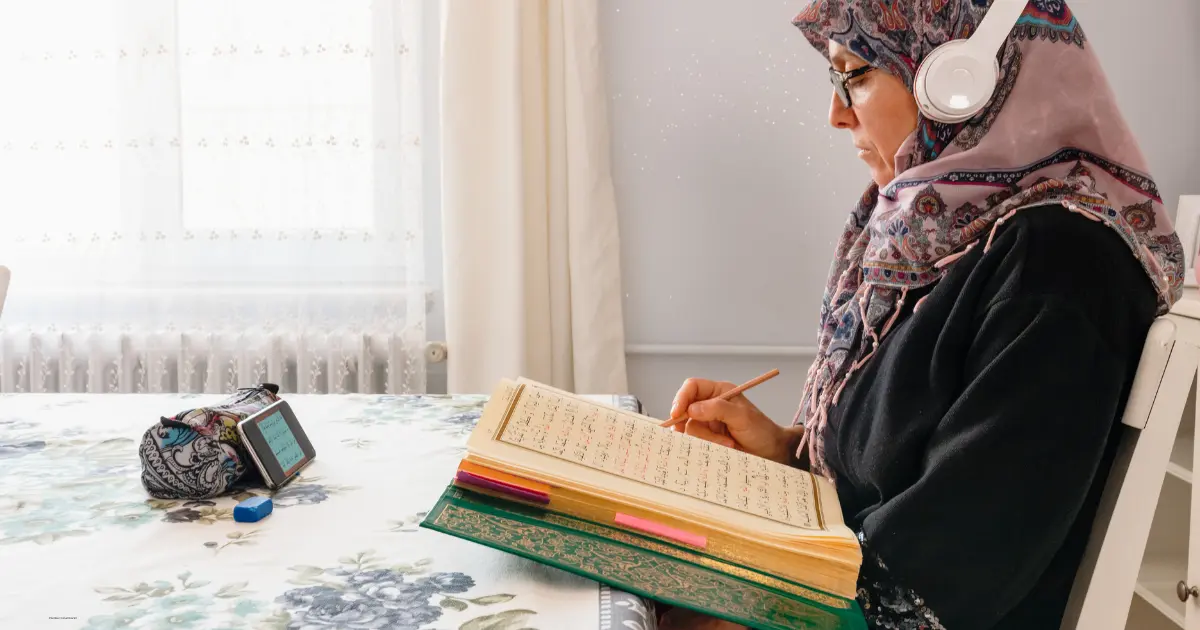
Choosing how to learn online Quran vs local mosque class is a decision that affects not just your education but your entire relationship with the Book of Allah. For generations, the local mosque was the only real option. Today, online Quran classes vs local mosque classes is a genuine conversation that millions of Muslim families around the world are having — and the right answer is not the same for everyone.
This guide is not here to declare one method superior. It is here to give you an honest, detailed look at both options so you can make a decision that genuinely fits your life, your schedule, your learning style, and your goals.
Understanding Modern Quran Learning Methods
Why This Comparison Matters Today
The way Muslims access Islamic education has changed significantly over the past decade. Families in the USA, UK, Canada, and Australia who live far from quality Islamic centers now have access to certified Quran teachers through their screens. At the same time, local mosques remain deeply important spaces — not just for learning but for community, spiritual grounding, and connection to Islamic tradition.
Understanding the real differences between online Quran classes vs local mosque classes helps families, new Muslims, and adult learners make choices aligned with their actual circumstances rather than assumptions about which method is more “authentic.”
The Shift from Traditional to Online Islamic Education
Online Quran education grew steadily through the 2010s and accelerated sharply after 2020. What was once considered an emergency alternative is now recognized as a fully capable, legitimate, and often preferable learning format for a wide range of students. That does not make mosque-based learning obsolete — it simply means both options now deserve serious consideration.
Overview of Online Quran Classes
What Are Online Quran Classes?
Online Quran classes are live, structured Islamic education sessions delivered through video platforms. A certified Quran teacher connects with a student — or a small group — remotely, conducting a real-time lesson that covers Quran reading, Tajweed, memorization, or Islamic studies depending on the program.
The key distinction from pre-recorded video content is the live, interactive nature of the teaching. A student recites, the teacher corrects. A student asks a question, the teacher explains. The dynamic is genuinely educational, not passive.
How One-on-One Online Quran Learning Works
In a one-on-one format, the teacher’s entire session is dedicated to a single student. The lesson plan is built around that student’s current level and goals. Every mispronunciation gets corrected immediately. Every question gets answered fully. The session moves at the student’s pace, not a class average.
This individual attention model is one of the most significant advantages online learning has over traditional group-based mosque classes, particularly for students who need more time with foundational skills.
Key Features of Online Quran Education
Live video sessions deliver real-time teaching through stable platforms accessible on any internet-connected device. Personalized learning means each student follows a curriculum tailored to their level, whether they are a complete beginner or working on advanced Tajweed refinement. Flexible scheduling allows students to book sessions that genuinely fit their daily routines — early mornings, evenings, or weekends — across any time zone worldwide.
Overview of Local Mosque Quran Classes
What Are Mosque-Based Quran Classes?
Local mosque Quran classes are in-person learning sessions held at a masjid or Islamic center. They are typically conducted by an Imam, a resident Islamic scholar, or a qualified Quran teacher employed by the mosque. Classes run on a fixed weekly schedule and are usually structured as group sessions.
For many Muslim families, the mosque represents the traditional heart of Islamic education — the place where generations of Muslims first learned to recite the Quran.
How Traditional Halaqa Learning Works
A halaqa is a traditional Islamic study circle — a group of students sitting together under the guidance of a scholar or teacher. The teacher moves through the group, listening to each student recite, correcting errors, and providing guidance. It is a model with deep historical roots in Islamic scholarship and one that continues to produce capable Quran reciters.
Structure of In-Person Islamic Learning
Group learning sessions bring multiple students together in the same physical space, creating a communal learning environment. The Imam or local teacher serves as the primary instructor, often drawing on years of personal study and community experience. Classes follow a fixed schedule — typically after Maghrib or on weekend mornings — with a consistent structure students return to each week.
Online Quran Classes vs Local Mosque Classes — Detailed Comparison
| Factor | Online Quran Classes | Local Mosque Classes |
| Scheduling | Fully flexible, 24/7 availability | Fixed weekly schedule |
| Location | Anywhere with internet access | Must travel to mosque |
| Attention | One-on-one or very small group | Group setting, shared teacher time |
| Teacher Options | Global pool of certified tutors | Local Imam or assigned teacher |
| Cost | Varies; often affordable monthly plans | Often free or donation-based |
| Community | Individual learning, less social | Strong community environment |
| Technology | Requires device and stable internet | No technology dependency |
| Atmosphere | Home environment | Spiritual mosque setting |
| Parental Monitoring | Easy — parent can observe at home | Requires drop-off and collection |
| Flexibility for Kids | Very high | Limited to mosque schedule |
Flexibility and Scheduling
This is where online learning holds a clear advantage for most modern families. Online Quran classes operate around the student’s life. A parent working rotating shifts, a student with after-school commitments, or a professional with an unpredictable calendar can all find sessions that consistently fit their routine. Mosque classes, by contrast, run on a fixed timetable. If that timetable clashes with school, work, or family obligations, attendance becomes inconsistent — and inconsistency is one of the biggest obstacles to Quranic progress.
Accessibility and Convenience
For Muslims living in cities with established Islamic centers, mosque access is relatively straightforward. For those in rural areas, smaller towns, or countries with limited Muslim infrastructure, the nearest mosque may be an impractical distance away. Online Quran classes remove geography entirely as a barrier. A student in a small Canadian town has the same access to a qualified teacher as a student in East London.
Learning Speed and Personal Attention
In a group mosque class of ten or fifteen students, each student realistically receives a few minutes of direct teacher attention per session. In a one-on-one online session of thirty or sixty minutes, every minute is directed at a single student. The difference in learning speed is substantial. Students in individualized online programs consistently progress faster through foundational skills like Arabic letter recognition, vowel sounds, and basic Tajweed than students in equivalent group settings.
Teacher Interaction and Communication
Both formats allow for meaningful teacher-student relationships, but they develop differently. Online teaching builds a consistent, personal bond over many one-on-one sessions. Mosque teaching builds relationships within a community context, where the teacher knows the student and their family over years. Neither is superior — they are simply different kinds of connection.
Learning Environment — Home vs Mosque
The mosque environment carries spiritual weight that a home screen cannot fully replicate. Sitting in a space dedicated to worship, surrounded by other Muslims engaged in learning, creates an atmosphere that many students find genuinely motivating. Home learning, on the other hand, offers comfort, privacy, and zero travel stress — factors that make consistent attendance far more likely for busy or younger students.
Cost and Affordability
Mosque classes are frequently offered free of charge or on a voluntary donation basis, making them highly accessible to families with limited budgets. Online Quran classes involve subscription or session fees, though many programs offer competitive monthly rates and free trial sessions. The cost difference is real, but the personalized attention and scheduling flexibility of online learning often represent strong value relative to the price.
Technology and Learning Tools
Online teaching platforms support screen sharing, digital whiteboard annotation, live audio correction, and progress tracking tools that simply do not exist in a traditional mosque classroom. These tools enhance certain aspects of learning — particularly for students who benefit from visual aids and real-time written feedback. However, they require a functioning device and stable internet, which is not universally available or reliable.
Community Interaction vs Individual Learning
Mosque classes build something that online programs genuinely cannot replace: a sense of belonging to a Muslim community. Children who attend mosque classes grow up knowing their community’s Imam, praying alongside other Muslims, and developing friendships within an Islamic environment. Online learning is individually focused. It serves the student’s personal Quranic development exceptionally well but does not replicate the communal dimension of mosque participation.
Pros of Online Quran Classes vs Local Mosque Classes
Learn from Home Comfortably
Home is a familiar, safe, and distraction-manageable environment for most students. Parents can observe younger children’s sessions directly. Adult learners can engage without the self-consciousness that sometimes comes with learning in a community setting.
One-on-One Personalized Attention
Every session is built around a single student’s needs. No waiting for other students to finish. No moving on when the lesson has not been fully absorbed. The teacher’s expertise is entirely at the service of one learner for the full session duration.
Flexible Timings for All Time Zones
This is genuinely transformative for international Muslim communities. A student in Sydney, another in Toronto, and a third in Birmingham can all work with the same qualified teacher — each at a time that fits their local schedule perfectly.
Access to Global Qualified Teachers
Online learning breaks the constraint of local availability. If the nearest mosque does not have a teacher qualified in advanced Tajweed or Hifz, that is not a barrier online. Students can access certified scholars and experienced tutors from across the Muslim world.
Suitable for Kids, Adults, and New Muslims
The one-on-one format adapts to any student. Children receive age-appropriate, patient teaching. Adults are treated with the intellectual respect their maturity deserves. New Muslims receive guidance that is welcoming, unhurried, and free of assumptions about prior knowledge.
If you want to go beyond Quran recitation and gain a deeper understanding of Islam, our Islamic Education Program Online provides comprehensive lessons for learners of all ages.
Cons of Online Quran Classes vs Local Mosque Classes
Requires Internet and Device Access
A stable internet connection and a functioning device are non-negotiable requirements. In areas with unreliable connectivity, this can create real disruptions to learning consistency.
Less Physical Community Interaction
Online learning serves the individual student’s development well but does not build the community connections that mosque attendance naturally creates. For children especially, the social dimension of learning alongside peers in an Islamic environment has real value that online classes do not replicate.
Dependence on Technology Stability
Platform outages, software issues, power cuts, and device failures can interrupt sessions. While these disruptions are typically brief and uncommon, they are an inherent characteristic of technology-dependent learning that mosque classes are not subject to.
Pros of Online Quran Classes vs Local Mosque Classes
Strong Community Connection
Mosque-based learning places students within the fabric of the local Muslim community. The relationships formed — with the Imam, with fellow students, with the mosque itself — contribute to a sense of Islamic identity and belonging that extends well beyond the classroom.
Direct Physical Interaction with Teacher
Face-to-face teaching carries a presence and immediacy that some students respond to powerfully. The physical cues — posture during recitation, breath control, the natural dynamic of sitting with a teacher — are part of traditional Islamic learning that in-person instruction preserves.
Structured Weekly Learning Environment
The rhythm of returning to the mosque at the same time each week builds discipline and routine. For children especially, the regularity of mosque attendance becomes part of how they understand their identity as Muslims.
Spiritual Mosque Atmosphere
Learning in a space where prayers are offered five times daily, where the Adhan sounds, and where other Muslims gather for worship creates a learning context that is spiritually distinct. Many students describe the mosque as the place where Islamic knowledge feels most alive.
Cons of Online Quran Classes vs Local Mosque Classes
Fixed Timings and Limited Flexibility
Mosque class schedules rarely accommodate individual family circumstances. If the class runs on Tuesday evenings and that is when a child has football practice or a parent works late, the conflict has no easy resolution. Missed sessions accumulate, and progress stalls.
Travel and Distance Challenges
For families without a mosque nearby, travel time is a genuine cost — in time, money, and energy. For working parents, adding a weekly commute to an already demanding schedule creates friction that leads to inconsistent attendance over time.
Large Group Learning Limitations
When one teacher manages ten to twenty students of varying levels in the same session, individual attention is inevitably limited. Students who are progressing quickly can feel held back. Students who need more time with a particular concept may not receive it. The group average sets the pace, not individual needs.
Limited Personalized Attention
Related to group size, the mosque model does not typically offer customized learning plans. Every student follows the same general curriculum at roughly the same pace. For students with specific learning goals, learning differences, or gaps in foundational knowledge, this can be a genuine limitation.
Which Learning Method Is Better for You?
There is no single correct answer to the question at the heart of the online Quran classes vs local mosque classes debate. The better choice depends entirely on the individual student’s circumstances.
For Beginners and Kids
Young children and complete beginners often benefit significantly from the patient, individualized attention of online one-on-one teaching. The ability to move at the child’s natural pace without pressure from a group setting tends to produce stronger foundational skills. That said, supplementing online learning with mosque attendance for the community dimension is genuinely valuable.
For Busy Professionals and Students
Anyone with a demanding schedule will likely find online learning far more sustainable. The flexibility of booking sessions around work, study, and family commitments removes the main obstacle to consistent Quranic learning that busy adults typically face.
For New Muslims — Reverts
New Muslims often have specific learning needs — building foundational Islamic knowledge alongside Quran recitation — and may feel self-conscious about their level in a community mosque setting. Online one-on-one learning provides the privacy, patience, and personalization that makes this transition genuinely comfortable.
For Traditional Learners Preferring the Mosque Environment
Students who are motivated by the community setting, the spiritual atmosphere, and the traditional structure of mosque learning should absolutely pursue it. The mosque has been the home of Islamic education for over a thousand years for good reason. If the local mosque offers quality teaching and a schedule that works, that remains an excellent choice.
Key Factors to Consider Before Choosing Online Quran Classes vs Local Mosque Classes
Learning Goals and Speed
If your goal is rapid, structured progress — completing Noorani Qaida, mastering Tajweed, or advancing through a Hifz program within a specific timeframe — one-on-one online learning will typically deliver faster results.
Availability of Time
How many sessions per week can you realistically maintain? If your schedule is unpredictable, online flexible timing classes are far more sustainable than a fixed mosque timetable.
Access to Qualified Teachers
Does your local mosque have a teacher qualified in Tajweed, Hifz supervision, or the specific area you need? If not, online learning opens access to a much wider pool of certified instructors.
Comfort with Technology
For students who are comfortable with video platforms and have reliable internet, online learning presents no significant barriers. For those who are less tech-confident or have connectivity challenges, in-person mosque learning may be more straightforward.
Need for Personal Attention
Students with specific learning challenges, pronunciation difficulties, or foundational gaps benefit enormously from the individual attention that one-on-one online teaching provides.
Learning Outcomes : Online Quran Classes vs Local Mosque Classes
Quran Reading and Recitation Skills
Both methods can produce capable Quran readers. The difference lies in how efficiently they get there. One-on-one online students typically reach functional recitation ability faster because every session targets their specific weaknesses directly.
Tajweed and Pronunciation Mastery
Tajweed teaching is available in both formats, but the quality varies significantly depending on the teacher rather than the format. Online platforms do offer access to a larger pool of Tajweed-specialized teachers than most local communities can provide.
Memorization — Hifz Progress
Hifz requires consistent, daily revision and real-time correction — both of which one-on-one online sessions support particularly well. Many students who began Hifz in mosque classes and switched to online one-on-one tutoring report noticeably faster retention progress after the transition.
Long-Term Retention and Understanding
Long-term retention depends more on consistency and teaching quality than on the physical location of learning. A student who attends regular sessions — online or in-mosque — with a qualified, engaged teacher will retain what they learn. Inconsistent attendance in either format undermines retention regardless of how good the individual sessions are.
Our Learn Ten Qirat Online course helps students master the ten authentic Quran recitation styles, while the Online Ijazah Program provides the opportunity to earn an accredited Quranic certification from experienced teachers.
Safety, Trust, and Learning Quality
Qualified Quran Teachers and Scholars
Whether choosing online or mosque-based learning, verifying the teacher’s qualifications is essential. Reputable online Quran programs publish their teachers’ credentials, training backgrounds, and certifications. Before enrolling with any program, confirm the teacher holds recognized Islamic educational qualifications.
Verified Learning Institutions
Established online Quran academies operate with transparent enrollment processes, published curricula, and verifiable organizational credentials. Mosque-based programs are similarly accountable to their local communities and mosque governance structures.
Student Progress Tracking
Quality online programs provide structured progress reports and milestone evaluations. This level of documentation is less common in mosque-based settings, where progress is typically assessed informally by the teacher.
Parental Monitoring for Kids
Online classes allow parents to observe sessions directly from the same room — something that is often not possible in a mosque classroom. This visibility gives parents direct insight into their child’s learning and the teaching approach being used.
Who Should Choose Online Quran Classes vs Local Mosque Classes?
Students with Busy Schedules
Anyone who cannot reliably commit to a fixed weekly timetable will find online flexible scheduling far more manageable. Consistency is the most important factor in Quranic progress, and online learning makes consistency realistic for busy people.
International Learners
Muslims living in countries or regions without accessible Islamic centers — or without teachers qualified in the specific area they need — benefit enormously from the global access that online learning provides.
Home-Based Learners
Students who learn best in familiar, private environments — including those with anxiety in group settings or learning differences that benefit from quiet, individual instruction — are typically well-served by the online one-on-one format.
Individuals Seeking One-on-One Attention
Any student whose goals require personalized, targeted instruction — whether refining advanced Tajweed, progressing through Hifz, or building foundational skills from zero — should strongly consider dedicated online one-on-one sessions.
Students who want to understand the deeper meanings of the Quran can join our Quran Translation & Tafseer Classes Online, where expert teachers explain Quranic verses in a clear and practical way.
Who Should Choose Local Mosque Classes?
Learners Preferring Community Environment
Students who are motivated by community connection, the mosque atmosphere, and learning alongside fellow Muslims will find the mosque setting genuinely enriching in ways that online learning cannot replicate.
Students Living Near Quality Islamic Centers
If a high-quality mosque class with a qualified teacher is geographically accessible and the schedule is workable, in-person learning remains an excellent option with deep roots in Islamic educational tradition.
Those Preferring Traditional Learning Style
Some students simply respond better to in-person instruction — the physical presence of a teacher, the atmosphere of the mosque, and the structured communal rhythm of traditional halaqa learning. That preference is entirely valid and worth honoring.
Frequently Asked Questions
Are online Quran classes effective compared to mosque classes?
Yes, genuinely. Research and widespread student outcomes consistently show that one-on-one online Quran classes produce strong results — often faster than group mosque settings — because of the individual attention and flexible scheduling that supports consistent attendance.
Can children learn Quran better online or at the mosque?
It depends on the child. Many children thrive in one-on-one online sessions where the teaching pace matches their learning speed exactly. Others benefit from the social, community environment of mosque classes. Some families combine both approaches successfully.
Is Tajweed properly taught online?
Yes. Tajweed is highly teachable online because it primarily involves pronunciation correction through live audio — exactly what a one-on-one video session delivers in real time. Many qualified Tajweed specialists teach exclusively online.
Do mosque classes offer better discipline?
The structured environment and fixed schedule of mosque classes can support discipline for students who respond well to routine. However, the discipline that comes from consistent online attendance — maintained by genuine scheduling flexibility rather than obligation — is equally real and arguably more sustainable for many students.
Can I combine both learning methods?
Absolutely, and for many students this is the ideal approach. One-on-one online classes for structured, personalized Quran learning during the week, combined with mosque attendance for community prayer, jumu’ah, and supplementary Islamic education, gives students the benefits of both methods.
Are online Quran classes suitable for beginners?
Yes, completely. Online programs specifically designed for beginners — including those with no Arabic reading ability — are among the most accessible entry points into Quran learning available today.
Global Access to Online Quran Learning
USA
Muslim communities across the United States — from major cities to rural areas with limited mosque access — benefit from online Quran programs that eliminate geography as a barrier to quality Islamic education.
Worldwide Online Access
For the global Muslim community — including Muslims in countries where mosque infrastructure is limited or where public Islamic education faces restrictions — online Quran learning provides access to qualified teachers and structured programs that would otherwise be entirely unavailable.
Whether you are enrolling in our Online Quran Classes for Non-Arabic Speakers, seeking a supportive learning environment for sisters, structured Quran education for teens, or engaging lessons for toddlers, we offer programs tailored to every stage of the learning journey.
Key Takeaways
- Online Quran classes vs local mosque classes is not a question with one right answer — the better choice depends on your schedule, location, learning goals, and personal learning style.
- Online one-on-one classes offer superior flexibility, personalized attention, and access to global teachers.
- Mosque classes offer community connection, spiritual atmosphere, and a traditional learning environment with deep Islamic roots.
- For most busy families, international learners, and students seeking rapid structured progress, online learning offers clear practical advantages.
- Combining both methods — online for structured personal learning, mosque for community connection — is a genuinely excellent option for many students.
- Consistency of attendance, quality of teacher, and personal motivation matter more than the format itself.
Students can supplement their studies by exploring trusted Quran translations and explanations available on Quran.com as well which is highly recommended as well.
Final Conclusion — Choosing the Right Quran Learning Path
The honest conclusion of any serious online Quran classes vs local mosque classes comparison is that both methods have real merit and real limitations. The mosque is not outdated. Online learning is not a compromise. They are two different tools — and the right tool depends on what you are trying to build.
Balancing Tradition and Modern Learning
Islamic tradition has always adapted its methods to serve the needs of Muslim communities across different times and contexts. Online Quran education is not a departure from that tradition — it is an extension of it into a new era of accessibility. The goal remains the same: connecting Muslims with the Quran in a way that is meaningful, accurate, and lasting.
Making the Best Decision for Your Needs
Ask yourself honestly: Can I attend mosque classes consistently, or will the fixed schedule create friction that leads to missed sessions? Do I need the individual attention that a qualified one-on-one tutor provides? Is community connection part of what I am looking for, or is my priority personal Quranic progress? Your honest answers will point you toward the right choice.
Start Learning Today
Whichever method you choose, the most important step is beginning. The Quran does not wait for a perfect moment — it rewards the decision to start.
Book a Free Trial Class
Experience one-on-one online Quran teaching firsthand with a free trial session. Meet a qualified teacher, see the format, and assess whether it fits your life — before making any commitment.
Speak to a Quran Teacher
Have questions about programs, teacher qualifications, scheduling, or curriculum? Our advisors are available through the contact form, WhatsApp, or phone to answer honestly and help you choose the right path.
Enroll in One-on-One Online Quran Classes
If you are ready to begin structured, personalized Quran learning today, enrollment is straightforward. Choose your schedule, get matched with a qualified teacher, and start your first official session within days.
Enroll Now | Book Free Trial | WhatsApp Us | Contact Us
