




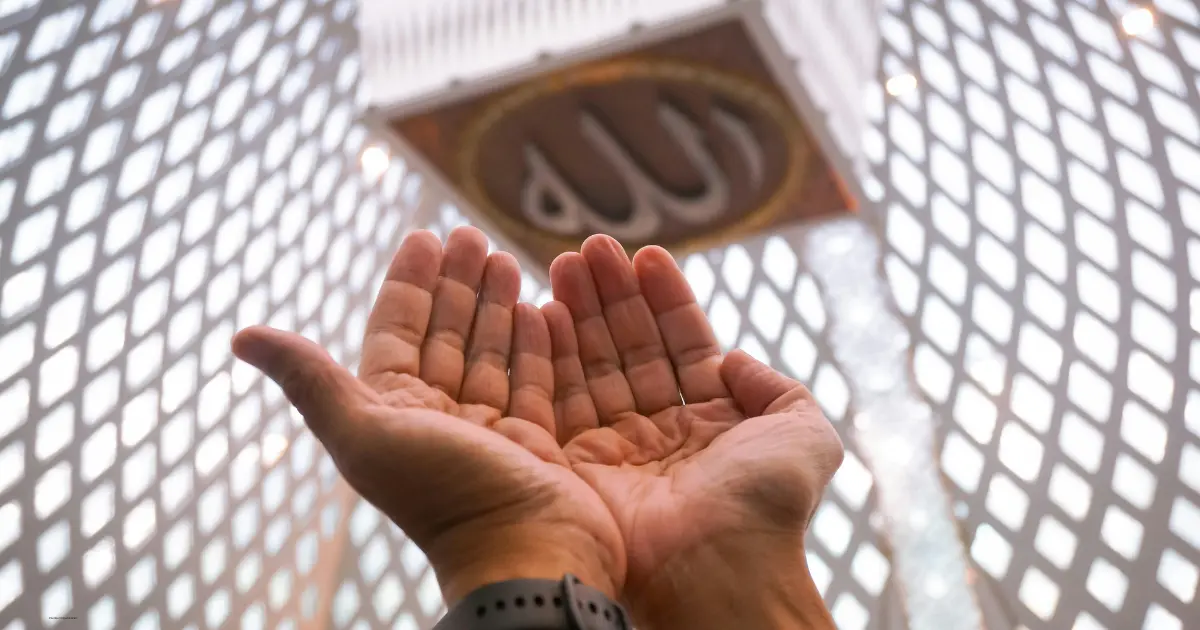
Dua is the heartbeat of a Muslim’s relationship with Allah. It is not a formality or a ritual box to check—it is, as the Prophet Muhammad ﷺ described, “the essence of worship.” Among the many supplications passed down through Islamic tradition, Dua-e-Jameela holds a special place. Its name alone — Jameela, meaning beautiful — signals something about its nature: this is a prayer that is as nourishing to the soul as it is powerful in its request.
This guide covers everything you need to know about Dua e Jameela, its complete meaning, its spiritual benefits, how to recite it correctly, and the broader landscape of essential duas every Muslim should carry in their heart.
What Is Dua e Jameela?
Dua e Jameela (also written as Dua Jameela or Dua al-Jameela) is a comprehensive supplication widely recited in Muslim communities, particularly in South Asian Islamic tradition. The word “Jameela” (جميلة) comes from the Arabic root “j-m-l,” meaning beauty. excellence, and grace. The dua lives up to its name—it is considered beautiful in its language, its structure, and its scope.
The prayer encompasses praise of Allah, invocations of His mercy, protection from harm, forgiveness of sins, and requests for goodness in this life and the next. It draws on Quranic themes and Prophetic supplications, making it a spiritually layered text that rewards both memorization and deep reflection.
It is important to note that Dua e Jameela, as a compiled text, falls into the category of manthur (scattered) supplications—prayers assembled from authentic Islamic sources rather than being a single hadith narrated verbatim. This is a common format in Islamic supplication literature, similar to compilations like Hizbul Bahr or Dua Kumayl, and does not diminish its value when its constituent parts are authentic.
Dua e Jameela: Arabic Text, Transliteration, and Meaning
Dua e Jameela is a longer supplication. Below are key opening and core passages with their meanings to give beginners a clear entry point:
Opening Praise Section:
Bismillahir Rahmanir Raheem In the name of Allah, the Most Gracious, the Most Merciful
Allahumma inni as’aluka bi’ismika al-a’zam. O Allah, I ask You by Your Greatest Name
Allathee idha du’ita bihi ajabta wa idha su’ilta bihi a’tayta. The Name by which, when You are called upon, You respond, and when You are asked, You give
Core Supplication (Summary of Major Themes):
- Seeking forgiveness (maghfirah) for all sins—major and minor, hidden and apparent
- Asking for afiyah (well-being and protection) in this world and the next
- Requesting rizq (provision) from lawful and blessed sources
- Seeking refuge from the punishment of the grave, the trials of the Dajjal, and the torment of Hellfire
- Asking for steadfastness (thabat) on the straight path
- Praising Allah through His 99 Names and attributes
- Sending blessings upon the Prophet Muhammad ﷺ, his family, and his companions
Closing Section:
Subhana rabbika rabbil ‘izzati ‘amma yasifoon Glory be to your Lord, the Lord of Honor, above what they describe
Wa salamun ‘alal mursaleen. And peace be upon the messengers
Walhamdulillahi rabbil ‘aalameen. And all praise is for Allah, Lord of all worlds
The full Arabic text of Dua e Jameela is widely available in Islamic booklets (dua kitabs) and online Islamic repositories. For those working on proper Arabic pronunciation, having a native Arabic Quran teacher online in the USA review your recitation is one of the most effective ways to ensure accuracy.
The Spiritual Benefits of Dua-e-Jameela
The benefits attributed to Dua e Jameela in Islamic tradition span both the worldly and the spiritual. While specific hadith-authenticated reward claims should always be verified with a scholar, the general benefits are rooted in the Quranic and Prophetic understanding of dua itself:
1. Comprehensive Spiritual Protection
The dua covers multiple categories of refuge—from Shaytan, from trials, from the punishment of the grave, and from harm in both worlds. This comprehensiveness is itself a benefit: a single supplication addressing every major source of spiritual vulnerability.
2. Strengthening the Bond with Allah
The Prophet ﷺ said, “Dua is worship.” (Abu Dawud, Tirmidhi) Every time a Muslim recites Dua e Jameela with presence of heart (khushu’), they are engaging in an act of pure ibadah—drawing closer to Allah through dependence, trust, and gratitude.
3. Forgiveness and Spiritual Cleansing
The dua’s sections focused on istighfar (seeking forgiveness) align with the Quranic promise:
“And whoever does evil or wrongs himself but then seeks forgiveness of Allah will find Allah forgiving and merciful.” (Quran 4:110)
Regular recitation keeps the believer in a posture of spiritual accountability and renewal.
4. Peace of Heart
The Quran states, “Verily, in the remembrance of Allah do hearts find rest.” (13:28) Dua e Jameela, as an extended form of dhikr and supplication, functions as a deep reset—calming anxiety, redirecting focus, and grounding the believer in Allah’s attributes.
5. Blessings of Salawat
The dua includes multiple blessings upon the Prophet ﷺ (salawat). The Prophet himself said: “Whoever sends one blessing upon me, Allah sends ten blessings upon him.” (Muslim) Each salawat embedded in the dua multiplies its spiritual return.
How to Recite Dua e Jameela Correctly
Proper recitation of any dua involves more than reading the words. Here is a practical framework:
Before Reciting:
- Be in a state of wudu (ritual purity)—while not strictly required for all dua, it is highly recommended
- Face the Qiblah (direction of Makkah) if possible
- Begin with Bismillah and send blessings upon the Prophet ﷺ
- Set a clear intention (niyyah)—be conscious of what you are asking and from Whom
During Recitation:
- Recite with tarteel (measured, clear pronunciation)—not rushing through the words
- Engage your heart, not just your tongue—reflect on the meaning of each phrase
- Lower your voice to a moderate, humble tone—the Quran advises supplicating “in humility and privately” (7:55)
- Pause at meaningful phrases and allow them to land in your heart
After Reciting:
- End with Ameen
- Trust in Allah’s response—the Prophet ﷺ said that every dua is answered: either granted immediately, stored as reward, or used to avert a harm
For those who struggle with Arabic pronunciation, enrolling in a Quran recitation course online in the USA will significantly improve the quality of your dua recitation, since correct makhraj (articulation points) and tajweed rules apply to dua just as they do to Quranic recitation.
Most Important Duas Every Muslim Should Memorize
Dua e Jameela is one gem in a rich treasury of Islamic supplications. Every Muslim, regardless of age or level of practice, benefits from having a core set of duas memorized and ready. Here is a structured overview:
| Category | Dua Name | When to Recite | Source |
| Morning & Evening | Ayat al-Kursi | After every fard prayer, before sleep | Quran 2:255 |
| Protection | Surah Al-Falaq & Al-Nas | Morning, evening, before sleep | Quran 113–114 |
| Forgiveness | Sayyid al-Istighfar | Morning and evening | Sahih Bukhari |
| Anxiety & Worry | Dua of Prophet Yunus | Times of hardship | Quran 21:87 |
| Comprehensive Supplication | Dua e Jameela | Anytime, especially after salah | Compiled tradition |
| Entering/Leaving Home | Bismillah dua | Every time you leave or enter | Abu Dawud |
| Before Eating | Bismillah | Before every meal | Bukhari, Muslim |
| After Eating | Alhamdulillah dua | After every meal | Tirmidhi |
| Before Sleep | Ayat al-Kursi + the last two verses of Baqarah | Nightly | Bukhari |
| Dua for Parents | Rabbir hamhuma | Regularly | Quran 17:24 |
| Dua for Guidance | Allahumma dini | Daily | Tirmidhi |
| Dua for Knowledge | Rabbi zidni ‘ilma | Before studying | Quran 20:114 |
Essential Duas: A Closer Look at the Most Powerful
Ayat al-Kursi (The Verse of the Throne)
Perhaps the single most powerful verse in the Quran, Ayat al-Kursi (2:255), is not technically a dua in the traditional sense—but its recitation is among the most recommended acts of protection in Islamic tradition. The Prophet ﷺ described it as the greatest verse in the Quran. Reciting it after every fard prayer removes all barriers between the reciter and Paradise except death itself, according to an authenticated narration.
Sayyid al-Istighfar (The Master Supplication for Forgiveness)
“Allahumma anta rabbi, la ilaha illa anta, khalaqtani wa ana ‘abduka… “O Allah, You are my Lord. There is no deity except You. You created me, and I am Your servant…
This dua, narrated in Sahih Bukhari, is described by the Prophet ﷺ as the Sayyid (master/chief) of all forgiveness duas. Reciting it with sincerity in the morning or evening, while believing fully in its meaning, carries the promise that if one dies that day, they enter Paradise.
Dua of Prophet Yunus (Dhun-Nun)
“La ilaha illa anta, subhanaka, inni kuntu minaz-zalimeen.” There is no deity except You; exalted are You. Indeed, I have been one of the wrongdoers.
This was the dua recited by Prophet Yunus ﷺ from within the belly of the whale. The Quran records that Allah responded and saved him (21:87-88). It is among the most powerful duas for relief from distress and is recommended by scholars for anyone facing trials.
Dua for Anxiety: The Prophet’s Own Prayer
“Allahumma inni a’udhu bika minal hammi wal-hazan…” O Allah, I seek refuge in You from worry and grief, from incapacity and laziness, from cowardice and miserliness, and from the burden of debt and the subjugation of men.
This dua, narrated in Sahih Bukhari, directly addresses the emotional and psychological struggles Muslims face. Its comprehensiveness—covering worry, grief, laziness, fear, and financial burden—makes it one of the most practically relevant duas in the entire Prophetic tradition.
Teaching Duas to Children and Families
Memorizing duas is not an adult-only endeavor. Children who learn duas early carry them for a lifetime. The reward of a parent who teaches their child a dua continues to flow to the parent even after death—an extension of sadaqah jariyah (ongoing charity).
Online Quran classes for toddlers in the USA now include age-appropriate dua memorization modules, using repetition, songs, and visual aids that make even complex Arabic phrases accessible to very young learners. For online Quran classes for teens in the USA, dua memorization is often paired with meaning and context—helping teenagers connect emotionally with what they’re reciting rather than just memorizing sounds.
For families wanting to learn together, online Quran classes’ family plan in the USA allows parents and children to take structured Islamic studies simultaneously, building a household culture of dua and Quran that reinforces itself daily.
Dua Etiquette: What Most People Overlook
Many Muslims recite duas regularly but miss certain etiquettes that significantly elevate their acceptance. Scholars have compiled these from Quranic guidance and Prophetic practice:
- Begin with praise of Allah and salawat—never begin a dua by jumping straight to your request
- Use the Names and Attributes of Allah—Addressing Allah by the Name most relevant to your need (e.g., Al-Razzaq for provision, Al-Shafi for healing) aligns with the Quranic command: “And to Allah belong the best names, so invoke Him by them” (7:180)
- Be specific—The Prophet ﷺ encouraged asking for specific needs, not just vague goodness
- Repeat your request three times—a practice observed in Prophetic supplications
- Choose blessed times—The last third of the night, between the adhan and iqamah, during rain, on Fridays, and during prostration (sujood) are among the most powerful windows for dua acceptance
- Do not ask for something sinful or involving cutting of family ties—these are conditions narrated in sahih hadith for dua’s acceptance
- Maintain certainty of response—The Prophet ﷺ warned against saying “O Allah, forgive me IF You “wish”—Allah should be asked with certainty and hope
The Role of Arabic in Dua
A common question, especially from online Quran classes for non-Arabic speakers and online Quran classes for new Muslims, is whether duas must be recited in Arabic. The scholarly consensus is:
- In salah (prayer): The specific recitations (Fatiha, tashahhud, etc.) must be in Arabic
- Outside of salah: Dua can be made in any language, and Allah hears and understands all
- Ideally: Learning the Arabic duas as taught by the Prophet ﷺ is strongly recommended, as the exact wording carries a precision and blessing (barakah) that translation cannot fully convey
This is one of the strongest motivations for non-Arabic-speaking Muslims to invest in Arabic literacy. Working with a native Arabic Quran teacher online in the USA through platforms offering online Quran classes via Zoom & Skype allows learners to pick up dua pronunciation naturally within a broader Quranic learning context.
Building a Daily Dua Practice: A Practical Roadmap
Here is a realistic, structured approach to incorporating more duas into daily life:
- Start with three core duas—pick one morning dua, one evening dua, and one for before sleep. Memorize these completely before adding more
- Use contextual triggers—Tie specific duas to actions: dua before eating, dua when leaving the house, dua when looking in the mirror. Context makes memorization effortless
- Understand before you memorize—Even a rough English understanding of what you’re reciting transforms the experience
- Enroll in a structured program—Platforms offering online quran classes for beginners adults in the USA and online quran classes with certificates in the USA often include dua memorization modules within broader Islamic studies curricula
- Use the last portion of night prayers—Tahajjud and Witr are ideal windows for reciting longer duas like Dua e Jameela
- Track your collection—keep a personal dua journal. Each time you memorize a new dua with its meaning, write it down
- Listen to recitations—Auditory exposure to beautiful dua recitation by scholars builds familiarity even before formal memorization
- Teach others—Sharing a dua you’ve memorized with a family member or friend multiplies its presence in your life
Those who want structured, certified progress in their Islamic knowledge—including Quranic recitation and dua literacy—can explore online Quran classes in the USA with a free trial to find a platform that matches their learning style before committing.
Muslims across the United States are building these practices from wherever they are—whether through online Quran classes in New York, online Quran classes in California, online Quran classes in Florida, or online Quran classes in Texas. The geographic distance from traditional learning centers is no longer a barrier.
A Comparison: Dua e Jameela vs. Other Major Compiled Duas
| Feature | Dua e Jameela | Hizbul Bahr | Jawshan al-Kabeer | Dua Kumayl |
| Origin | Compiled from hadith/Quran sources | Attributed to Imam Shadhili | Attributed via Prophetic tradition | Attributed to Imam Ali (RA) |
| Length | Medium-length | Medium | Very long (100 sections) | Long |
| Primary Focus | Comprehensive protection & forgiveness | Protection during travel/sea | 1000 Names/Attributes of Allah | Mercy, forgiveness, divine nearness |
| Common in | South Asian Muslim tradition | North African/Sufi tradition | Various traditions | Shia tradition, also read by some Sunnis |
| Best Time to Recite | After salah, morning/evening | Before travel or hardship | Laylat al-Qadr, Ramadan | Thursday nights, Ramadan |
| Suitable For Beginners | Yes—sections can be learned gradually | Moderate | Advanced—very long | Moderate |
FAQs: Dua e Jameela and Important Duas for Muslims
Q: What is Dua e Jameela, and why is it called “beautiful”?
Dua e Jameela is a comprehensive Islamic supplication whose name means “the beautiful prayer.” It is called “beautiful” (jameela) because of the elegance of its Arabic language, the breadth of what it covers—from forgiveness to protection to provision—and the spiritual grace it invokes.
Q: Is Dua e Jameela from the Quran or Hadith?
Dua-e-Jameela is a compiled supplication that draws on Quranic phrases and prophetic dua traditions. It is not a single narrated hadith but rather an assembled text from authentic Islamic sources, a format common in classical Islamic supplication literature.
Q: When is the best time to recite Dua e Jameela?
It can be recited at any time, but particularly recommended times include after fard (obligatory) prayers, in the last third of the night, during Ramadan, and on Fridays—all periods associated with heightened dua acceptance in Islamic tradition.
Q: Do I need to recite Dua e Jameela in Arabic?
For maximum benefit and connection to the original Prophetic language, reciting in Arabic is preferred. However, for those still learning, reciting with an English meaning alongside is perfectly valid. Enrolling in an online Quran or Arabic Quran reading fluency course or working with a native Arabic Quran teacher online in the USA can help you build confident Arabic dua recitation.
Q: What are the most important duas a new Muslim should memorize first?
New Muslims are typically advised to start with: Bismillah (before actions), Alhamdulillah (gratitude), Astaghfirullah (seeking forgiveness), Ayat al-Kursi (protection), and the Dua of Prophet Yunus (for hardship). Online quran classes for new Muslims often structure their first months around these foundational supplications.
Q: Can children learn Dua e Jameela?
Yes, though it’s better to introduce children to shorter, simpler duas first and build up to them. Online Quran classes for toddlers in the USA and online Quran classes for teens in the USA offer age-appropriate dua memorization programs that scaffold learning appropriately.
Q: Is there a specific number of times Dua e Jameela should be recited?
There is no fixed mandatory number. Some scholars recommend reciting it once daily with full presence of heart rather than many times without focus. Quality of attention (khushu’) is consistently emphasized over quantity in Islamic supplication practice.
The Living Tradition of Dua
Every dua a Muslim memorizes is a thread connecting them to something ancient and alive simultaneously. When you recite Dua e Jameela, you are using words shaped by the same tradition that produced the Quran’s supplications, the Prophet’s nighttime prayers, and the duas of countless Muslims across fourteen centuries.
From online quran classes New York City to online quran classes Los Angeles, from online quran classes Chicago to online Quran classes Dearborn, Michigan, from online Quran classes in Houston, Texas, to online Quran classes in Dallas, Texas—Muslims across America are investing in this tradition daily. They are memorizing, understanding, and teaching these words to their children online. quran classes Illinois, online Quran classes Michigan, online Quran classes Virginia, online Quran classes Ohio, online Quran classes Georgia, online Quran classes Pennsylvania, online Quran classes, Maryland, online Quran classes New Jersey, online Quran classes Washington state, online Quran classes Arizona, online Quran classes Colorado online Quran classes, Minnesota online Quran classes, Indiana online Quran classes, and North Carolina online Quran classes.
And every single one of them is taking part in an act the Prophet ﷺ called the essence of worship—reaching upward with open hands, with a language that Allah Himself chose, toward the One who always listens.
Ready to deepen your Quranic and Du’a practice? Explore structured learning through an Islamic education program online, try an online Quran class or Quran free trial in the USA, or begin with an online Ijazah program to certify your recitation in the same tradition that has carried these words through fourteen centuries—and is still carrying them today.