 Skip to content


A Complete Guide for New Muslims and Curious Learners
Islam is more than a religion—it is a complete way of life that guides a Muslim’s relationship with Allah, family, community, and the world around them. At the heart of Islamic practice are the Five Pillars of Islam, which form the foundation of a Muslim’s faith and daily worship.
Whether you are new to Islam, considering becoming Muslim, teaching children, or simply seeking a better understanding of the faith, learning the Five Pillars is the perfect place to begin. Understanding the 114 Surahs of Quran alongside these pillars can further strengthen one’s knowledge of Islamic teachings.
The Five Pillars are not merely religious rituals. They are acts of worship that strengthen faith, build character, and help Muslims stay connected to Allah throughout their lives.
In this beginner-friendly guide, we will explain each pillar in simple terms, explore its importance, and answer common questions that many new learners have about Islam.
What Are the Five Pillars of Islam?
The Five Pillars of Islam are the five fundamental acts of worship that every Muslim is encouraged to practice. These pillars serve as the framework for Islamic life and help believers develop a strong relationship with Allah.
The Five Pillars are:
- Shahada (Declaration of Faith)
- Salah (Prayer)
- Zakat (Charitable Giving)
- Sawm (Fasting During Ramadan)
- Hajj (Pilgrimage to Makkah)
Together, these pillars create a balanced spiritual life that combines belief, worship, self-discipline, generosity, and devotion.
Why Are the Five Pillars Important?
The Five Pillars provide Muslims with a practical way to live their faith every day.
They help believers:
- Strengthen their connection with Allah
- Develop discipline and consistency
- Build gratitude and humility
- Support those in need
- Unite Muslims worldwide through shared acts of worship
- Purify the heart and improve character
Without these pillars, Islamic faith would remain only a belief. Through these acts of worship, faith becomes a lived experience. Many Muslims also choose to learn online classes to deepen their understanding of these pillars and strengthen their connection with Islam.
First Pillar: Shahada (Declaration of Faith)
The first and most important pillar of Islam is the Shahada, the declaration that establishes a person’s belief in Islam.
The Shahada is:
“Ashhadu an la ilaha illa Allah, wa ashhadu anna Muhammadan rasul Allah.”
Meaning:
“I bear witness that there is no god worthy of worship except Allah, and I bear witness that Muhammad is the Messenger of Allah.”
What Is Shahada and How to Recite It?
Many beginners ask, what is shahada and how to recite it?
Reciting the Shahada sincerely and believing its meaning in the heart is how a person enters Islam. It is pronounced clearly and with conviction, understanding that Allah alone deserves worship and that Prophet Muhammad (peace be upon him) is His final messenger.
The Shahada is more than words. It represents a commitment to worship Allah alone and follow His guidance throughout life.
Why Is Shahada Important?
The Shahada forms the foundation of every Muslim’s faith. Every act of worship, prayer, charity, and good deed is built upon this belief.
Without belief in Allah and His Messenger, the other pillars lose their purpose.
Second Pillar: Salah (Daily Prayer)
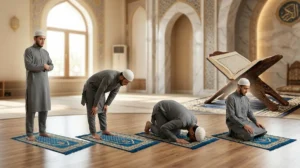
Salah is the obligatory prayer performed five times every day.
The five daily prayers are:
- Fajr (before sunrise)
- Dhuhr (afternoon)
- Asr (late afternoon)
- Maghrib (after sunset)
- Isha (night)
Prayer is the direct connection between a Muslim and Allah.
Benefits of Daily Prayer
Salah helps Muslims:
- Remember Allah throughout the day
- Develop discipline and time management
- Find peace during difficult moments
- Seek forgiveness and guidance
- Strengthen their faith regularly
Every prayer serves as a reminder that life has a purpose beyond worldly success.
How Beginners Can Start Learning Salah
New Muslims and beginners can start by:
- Learning the prayer times
- Memorizing short chapters from the Quran
- Practicing one prayer at a time
- Learning the physical movements gradually
Consistency is more important than perfection. Every step taken toward learning prayer is valuable.
Third Pillar: Zakat (Charitable Giving)
Zakat is a mandatory form of charity given by eligible Muslims to support those in need.
The word “Zakat” means purification and growth. By giving a portion of wealth to others, Muslims purify their earnings and help create a more caring society. Many students also benefit from online classes in Arizona to learn more about Zakat and other essential teachings of Islam.
What Is Zakat and How Much to Give?
A common question among beginners is, what is zakat and how much to give?
Generally, Muslims who possess wealth above a certain threshold (known as Nisab) pay 2.5% of their eligible savings and assets annually.
The exact amount depends on a person’s financial situation and the value of their qualifying assets.
Why Is Zakat Important?
Zakat teaches:
- Generosity
- Gratitude
- Social responsibility
- Compassion for the less fortunate
It reminds Muslims that wealth is a blessing from Allah and should be used to help others.
Who Receives Zakat?
Zakat can be distributed to eligible recipients such as:
- The poor
- The needy
- Those struggling with debt
- Travelers in hardship
- Other categories mentioned in Islamic teachings
Through Zakat, Islam promotes economic justice and community support.
Fourth Pillar: Sawm (Fasting During Ramadan)
Sawm refers to fasting during the month of Ramadan.
During fasting hours, Muslims abstain from:
- Food
- Drink
- Smoking
- Marital relations
From dawn until sunset.
Why Do Muslims Fast?
Fasting teaches:
- Self-control
- Patience
- Gratitude
- Spiritual awareness
It allows Muslims to focus on worship, reflect on their actions, and empathize with those who experience hunger regularly.
Benefits of Ramadan
Ramadan is a special month that encourages:
- Increased prayer
- Quran recitation
- Charity
- Family bonding
- Personal growth
Many Muslims describe Ramadan as the most spiritually uplifting time of the year.
Fifth Pillar: Hajj (Pilgrimage to Makkah)
Hajj is the pilgrimage to Makkah that every financially and physically able Muslim should perform at least once in their lifetime.
Millions of Muslims from around the world gather annually to worship Allah and follow the traditions established by Prophet Ibrahim (Abraham) and Prophet Muhammad (peace be upon them).
Why Is Hajj Significant?
Hajj teaches:
- Unity among Muslims
- Equality before Allah
- Sacrifice and devotion
- Spiritual renewal
Regardless of nationality, race, language, or social status, all pilgrims worship together as equals.
What Happens During Hajj?
Pilgrims perform several acts of worship, including:
- Circumambulating the Kaaba
- Standing in Arafat
- Walking between Safa and Marwah
- Spending time in Mina
- Offering sacrifices according to Islamic tradition
For many Muslims, Hajj becomes one of the most transformative experiences of their lives.
How the Five Pillars Work Together
Each pillar strengthens a different aspect of a Muslim’s faith:
| Pillar | Purpose |
| Shahada | Establishes belief |
| Salah | Maintains daily connection with Allah |
| Zakat | Purifies wealth and supports society |
| Sawm | Builds self-discipline and spirituality |
| Hajj | Demonstrates unity and complete devotion |
Together, these pillars create a balanced and purposeful Islamic lifestyle.
Common Misconceptions About the Five Pillars
The Five Pillars Are Not Just Rituals
Many people assume the pillars are simply religious duties. In reality, each pillar is designed to transform a person’s character and relationship with Allah.
Islam Is More Than the Five Pillars
While the pillars are essential, Islam also emphasizes honesty, kindness, justice, patience, family relationships, and good character.
New Muslims Learn Gradually
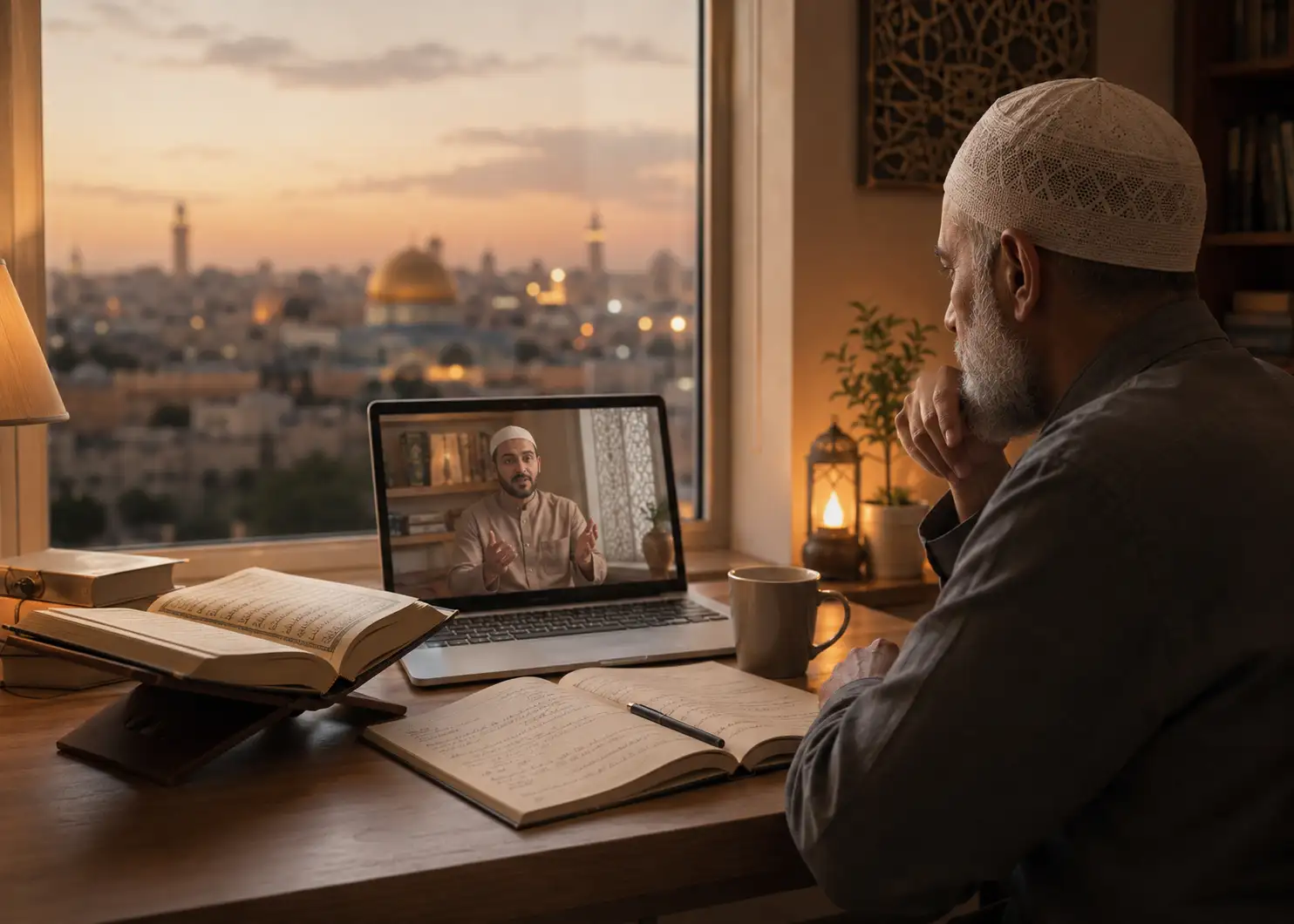
Islam encourages steady growth. New Muslims are not expected to master everything immediately. Learning and practicing the pillars is a lifelong journey. Beginner online Quran classes can provide valuable support for those starting their path of learning and understanding Islam.
Tips for Beginners Learning the Five Pillars
If you are new to Islam, consider these practical steps:
- Start by understanding the Shahada and its meaning
- Learn one prayer at a time
- Read a beginner-friendly Quran translation
- Connect with knowledgeable teachers or Islamic classes
- Learn about Ramadan before fasting
- Study Zakat basics before calculating it
- Take your time and remain consistent
Small, steady progress often leads to lasting spiritual growth.
Frequently Asked Questions
What are the Five Pillars of Islam in simple words?
The Five Pillars of Islam are the basic acts of worship that guide a Muslim’s faith and daily life. They include the declaration of faith (Shahada), prayer (Salah), charity (Zakat), fasting during Ramadan (Sawm), and pilgrimage to Makkah (Hajj). Together, they help Muslims strengthen their relationship with Allah.
Which pillar is the most important?
The Shahada is considered the most important pillar because it is the foundation of Islam. It affirms belief in the oneness of Allah and the prophethood of Muhammad (peace be upon him). Without this sincere belief, the other pillars do not have the same spiritual significance.
Can someone be Muslim without practicing all five pillars?
A person becomes a Muslim by sincerely believing in Islam and reciting the Shahada. However, the Five Pillars are essential acts of worship that help Muslims fulfill their religious duties. Practicing them strengthens faith and supports a complete Islamic lifestyle.
Why do Muslims pray five times a day?
Muslims pray five times a day to worship Allah and maintain a strong spiritual connection with Him. Daily prayers provide guidance, discipline, and moments of reflection throughout the day. They also help believers seek forgiveness, peace, and blessings.
What is zakat and how much to give?
Zakat is a mandatory form of charity that helps support those in need and promotes social welfare. Eligible Muslims generally give 2.5% of their qualifying wealth if it remains above the Nisab threshold for one lunar year. It is considered an act of worship and purification of wealth.
What is shahada and how to recite it?
The Shahada is the Islamic declaration of faith and the first pillar of Islam. It is recited as: “Ashhadu an la ilaha illa Allah, wa ashhadu anna Muhammadan rasul Allah,” meaning “I bear witness that there is no god but Allah, and Muhammad is the Messenger of Allah.” A person enters Islam by sincerely reciting and believing this statement.
Final Thoughts: Building Faith Through the Five Pillars
The Five Pillars of Islam are the foundation upon which a Muslim builds their spiritual life. They provide a practical framework for worship, character development, and connection with Allah.
For beginners, learning the pillars may seem overwhelming at first. However, Islam encourages gradual learning, sincere effort, and continuous growth. Every prayer learned, every act of charity given, and every step taken toward understanding Islam brings a person closer to Allah.
By understanding and practicing the Five Pillars, Muslims develop a faith that is not only believed in the heart but also reflected in everyday actions, relationships, and choices.
