




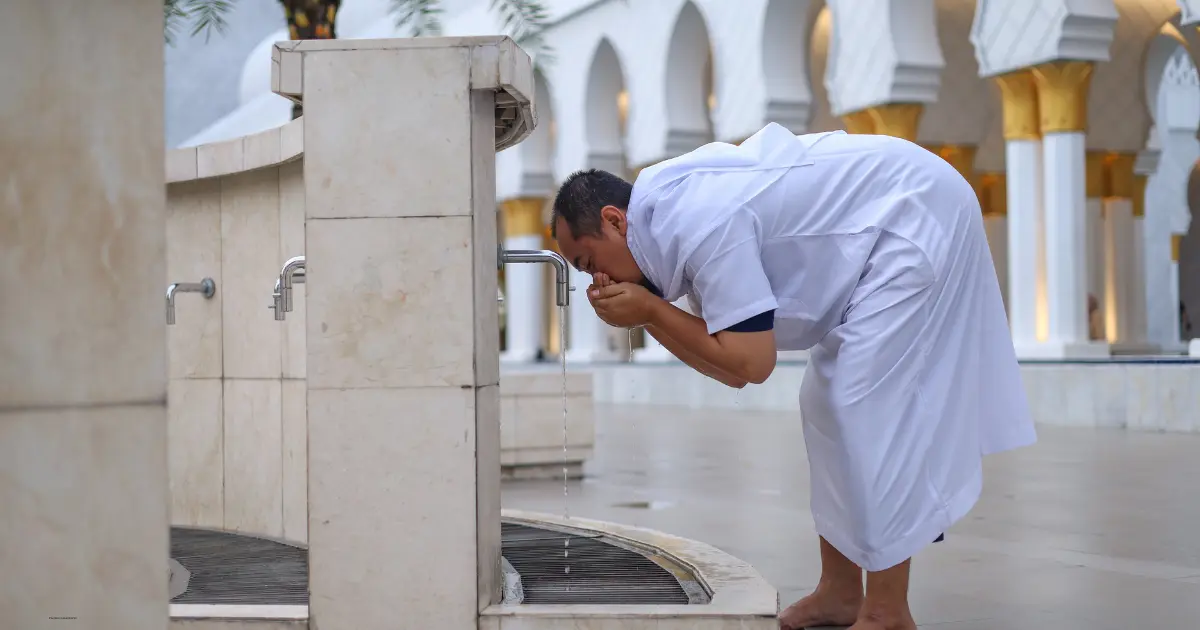
Wudu, or Islamic ablution, stands as one of the most essential practices in Islam. It’s a ritual purification that prepares both your body and spirit for worship. Before performing salah (prayer), one of Islam’s five pillars, Muslims must first achieve a state of wudu. But wudu extends beyond just prayer—it represents a foundational commitment to cleanliness and spiritual readiness in Islamic worship.
In this comprehensive guide, we’ll explore what wudu truly means, when it becomes necessary, and how to perform it correctly according to Islamic teachings. Whether you’re a new Muslim learning the basics, looking to learn qirat online, or someone seeking to deepen your understanding of this vital practice, this guide will walk you through everything you need to know about this essential Islamic ritual.
What Is Wudu?
What is wudu in islam? The Answer of this question is describe as Wudu, derived from Arabic roots meaning “to perform ablution,” is a specific form of ritual cleansing in Islam. It involves washing certain parts of your body with pure water while maintaining a sincere intention. This physical washing carries profound spiritual significance—it’s not merely about hygiene, though cleanliness certainly matters in Islam. Rather, wudu represents a transition into a state of ritual purity, preparing you spiritually for standing before Allah in prayer.
The concept of wudu touches on taharah, which encompasses the broader Islamic principle of purification. When you perform wudu correctly, you enter a heightened state of awareness and spiritual preparation that transforms how you approach your worship.
Difference Between Wudu, Ghusl, and Tayammum
While wudu is the most common form of purification, Islam recognizes different levels of cleansing depending on circumstances. Understanding these distinctions helps you practice your faith with confidence.
Ghusl represents a major ritual washing of the entire body, required after major ritual impurity such as janabah (sexual relations), menstruation, or postpartum bleeding. This full-body purification is more comprehensive than wudu and involves specific steps to cleanse yourself completely before resuming regular prayers.
Tayammum serves as an alternative purification method when water is unavailable or harmful. If you’re traveling in a desert, dealing with a medical condition, or facing water scarcity, tayammum allows you to use clean earth or sand to maintain your state of purity. Prophet Muhammad, peace be upon him, taught this method to ensure that believers could always prepare for worship regardless of circumstances.
Wudu, in contrast, focuses on washing specific body parts—your face, arms, head, and feet—making it the most frequently performed purification ritual in daily Islamic practice.
Why Purification Matters Before Worship
Islam places enormous emphasis on cleanliness and purity. This isn’t accidental or superficial—it reflects Islam’s holistic approach to spirituality. The Prophet Muhammad said, “Cleanliness is half of faith.” This famous hadith underscores how integral physical and spiritual cleanliness are to Islamic practice.
When you enter prayer without proper purification, Islamic law considers your prayer invalid, regardless of how sincerely you pray. This requirement serves multiple purposes: it maintains respect for the sacred act of salah, it cultivates mindfulness and intentionality in worship, and it honors the Islamic principle that we come before our Creator in our best state—both physically and spiritually.
Quranic and Hadith References About Wudu
The Quran explicitly mentions purification requirements in multiple places. Surah Al-Ma’idah (5:6) provides detailed guidance about ritual washing: “O you who have believed, when you intend to pray, wash your faces and your forearms up to the elbows and wipe over your heads and wash your feet up to the ankles.”
This Quranic verse forms the foundation of how wudu is performed. The Prophet Muhammad further clarified and demonstrated the proper method through his example, which Islamic scholars have preserved in authentic hadith collections. These narrations provide the step-by-step guidance that believers follow to this day, ensuring consistency in this essential practice across different Muslim communities worldwide.
When Is Wudu Required?
Before Performing Salah
The primary and most critical requirement for wudu is before performing salah. Each of the five daily prayers—Fajr, Dhuhr, Asr, Maghrib, and Isha—requires that you enter prayer in a state of wudu. This isn’t optional or negotiable; without proper wudu, your prayer is incomplete and unfulfilled in Islamic jurisprudence.
This requirement applies to all Muslims who are physically and mentally capable of performing prayer. Children begin learning about wudu as they approach the age of understanding, preparing them for when prayers become obligatory upon them.
Before Touching or Reciting the Quran
Many Islamic scholars emphasize that you should be in a state of ritual purity before touching the Quran’s physical text. This practice reflects the deep reverence Muslims hold for Allah’s word. While some scholarly schools consider this requirement essential (fard), others view it as highly recommended (sunnah), but the principle remains consistent: approaching the Quran in a state of purity honors its sacred status.
If you’re engaged in Quranic study, memorization, or teaching, maintaining wudu demonstrates respect for this divine book and sets the proper spiritual tone for engaging with Allah’s message.
Before Tawaf
Tawaf, the ritual circumambulation around the Kaaba during Hajj or Umrah, requires that pilgrims maintain a state of wudu. This practice connects to the broader Islamic principle that major acts of worship demand proper purification beforehand. Pilgrims prepare extensively for these sacred moments, and maintaining wudu throughout tawaf is part of that spiritual preparation.
Before Other Acts of Worship
Beyond the primary requirements, being in a state of wudu is encouraged for other acts of worship and religious learning. Many Muslims choose to maintain wudu when listening to Islamic lectures, attending Quran classes, or engaging in dhikr (remembrance of Allah). While not strictly obligatory in all cases, this practice reinforces the spiritual mindset that accompanies Islamic worship.
Situations That Require Renewing Wudu
Your wudu doesn’t last indefinitely. Certain actions nullify your state of purification, requiring you to perform wudu again before prayer or other worship.
Sleeping — When you enter deep sleep, especially lying down, your wudu becomes invalid. Light dozing while sitting may not break wudu according to some scholars, but to be safe, many Muslims perform fresh wudu after any sleep.
Using the Bathroom — Any discharge from the front or back of your body nullifies wudu, requiring renewal before your next prayer.
Passing Wind — Even if you don’t feel it clearly, passing gas breaks wudu. This is straightforward in Islamic rulings and applies universally.
Loss of Consciousness — Fainting, seizures, or any state where you lose consciousness nullifies wudu.
Bodily Discharges — Blood, pus, vomit, or other discharges from your body break your state of purification.
Other Nullifiers — Eating camel meat (according to some schools of thought), touching the opposite sex intentionally, and other specific situations may break wudu depending on which Islamic school of law you follow.
Conditions for a Valid Wudu
Clean Water Requirements
The water you use must be pure and uncontaminated. Islamic law specifies that water should be fresh and fit for cleansing—not water that has been used for other purposes or mixed with impurities. Rainwater, well water, running water, and water from containers are all permissible as long as they remain clean.
If water has been standing for a long time or has been exposed to contamination, you should find alternative water if possible. However, if only questionable water is available and it’s time for prayer, Islamic jurisprudence allows you to use it rather than miss your salah.
Proper Intention (Niyyah)
Before beginning wudu, you must form a sincere intention to purify yourself for prayer or worship. This intention doesn’t require speaking aloud—it’s an internal commitment of your heart. You think or feel that you’re about to perform wudu to prepare yourself for salah.
This requirement reflects Islam’s emphasis on internal sincerity. An action without proper intention—performed merely out of habit or routine—doesn’t fulfill the spiritual requirement of wudu. Your intention transforms a mechanical washing into a meaningful act of worship.
Removing Physical Impurities
Before beginning wudu, remove any major physical obstructions or impurities from the areas you’ll wash. This might include mud, dirt, or other substances that would prevent water from reaching your skin properly. Islamic guidance emphasizes cleanliness in the truest sense—using water effectively to achieve actual purity.
Correct Sequence of Actions
Wudu follows a specific order that Islamic scholars have established from the Quran and Sunnah. This sequence isn’t arbitrary; it’s based on the explicit Quranic guidance in Surah Al-Ma’idah and the documented practice of Prophet Muhammad. Following the correct sequence ensures that your wudu meets all Islamic requirements.
Continuity Between Steps
Your wudu should flow from one step to the next without significant interruptions. Islamic jurisprudence emphasizes that the parts you wash early shouldn’t dry completely before you finish the remaining steps. This continuity principle ensures that your wudu remains a unified act of purification rather than disconnected washing actions.
Step-by-Step Guide to Performing Wudu Correctly
Follow these steps carefully to perform wudu properly according to Islamic teachings:
Step 1: Make Intention for Wudu
Before touching any water, form your intention sincerely. In your heart, commit to performing this purification for the sake of prayer or worship. You might think: “I intend to perform wudu to prepare myself for salah.” This internal intention is essential—without it, your washing remains incomplete from a spiritual perspective.
Step 2: Say Bismillah
Begin by saying “Bismillah” (In the name of Allah). This invocation, recommended by Islamic scholars, sanctifies your action and acknowledges Allah’s role in your purification.
Step 3: Wash Hands
Using clean water, thoroughly wash both hands up to and including your wrists. Ensure water reaches between your fingers and under your nails. Most scholars recommend washing three times, allowing water to flow completely before each repetition. This step removes impurities from the parts of your body that interact most directly with your environment.
Step 4: Rinse Mouth
Take water into your mouth and rinse it thoroughly, then expel the water. Repeat this process, typically three times. This cleansing removes any food particles or impurities from inside your mouth, preparing you to engage in worship with physical cleanliness.
Step 5: Clean the Nose
Using your right hand, inhale water into your nostrils, then use your left hand to help expel it. Repeat this process three times. This step ensures that your nasal passages are clean, facilitating proper breathing during prayer.
Step 6: Wash the Face
Splash water over your entire face from your forehead down to your chin and from one ear to the other. Ensure that water covers your entire face completely. Most scholars recommend doing this three times. Your face represents the most visible part of your body in prayer, so this step holds particular significance.
Step 7: Wash the Arms
Starting with your right arm, wash from your fingertips up to and including your elbows. Then wash your left arm the same way. Ensure water covers your entire arm, including the back and palm. Repeat this process three times for each arm. This step purifies the limbs you use in performing various actions throughout the day.
Step 8: Wipe the Head
Wet your hands and wipe your entire head once, moving from your forehead toward the back of your head and then returning to your forehead. Many scholars also recommend wiping your ears during this step. Some do this once, while others repeat it. This wiping, rather than full washing, represents one of the distinctive features of wudu.
Step 9: Clean the Ears
Using your wet index fingers, clean the inside of your ears while using your thumbs to clean the back of your ears. Some scholars consider this part of the head-wiping step, while others treat it separately. Either approach is valid according to different Islamic schools.
Step 10: Wash the Feet
Finally, wash both feet thoroughly, ensuring water reaches between your toes, under your feet, and up to your ankles. Start with your right foot and then wash your left foot. Most scholars recommend repeating this three times. Your feet carry you throughout the day, and this final step completes your purification before standing in prayer.
Obligatory Acts of Wudu (Fard)
Islamic law identifies four essential, obligatory components of wudu. These are the minimum requirements for valid purification:
Washing the Face
Your entire face must be washed with water. This includes your forehead, cheeks, nose, and chin. The boundaries of the face extend from your hairline to your chin and from ear to ear. Missing any part of your face would invalidate your wudu.
Washing the Arms
Both arms, from your fingertips to your elbows (inclusive), must be washed. This requirement applies equally to both your right and left arms. Some scholars emphasize ensuring that water penetrates between your fingers and under any jewelry you wear.
Wiping the Head
At minimum, you must wipe at least a quarter of your head with wet hands. However, most Muslims wipe their entire head to ensure compliance. This action differs from washing because it involves passing wet hands over your head rather than pouring water repeatedly.
Washing the Feet
Both feet, including the area up to your ankles, must be washed. This includes the tops of your feet, the soles, and the spaces between your toes. Some scholars emphasize ensuring that water reaches every part of your foot, especially areas covered by calluses or cracks.
These four obligatory components form the core of wudu. Performing them correctly ensures that your purification is valid and your subsequent prayer is complete.
Sunnah Acts of Wudu
Beyond the obligatory requirements, Islamic tradition includes recommended actions that enhance your wudu:
Recommended Actions Before Wudu
The Sunnah suggests washing your hands thoroughly before beginning wudu, even before rinsing your mouth or nose. This preliminary washing ensures that your hands are clean before you use them in the purification process. Additionally, some scholars recommend preparing your water source beforehand, ensuring everything is ready before you begin.
Sunnah Practices During Wudu
Repeating each washing action three times is recommended in the Sunnah, though doing it once technically fulfills the obligatory requirement. Using the right hand for actions that flow from right to left and maintaining focus on your intention throughout the process reflects the Prophetic method. Moving smoothly from one step to the next without unnecessary delays also aligns with the Sunnah approach.
Dua After Completing Wudu
After finishing wudu, many Muslims recite a supplication. One commonly recommended dua is: “Ash-hadu an la ilaha illallah wa ash-hadu anna Muhammadan abduhu wa rasuluh” (I bear witness that there is no deity except Allah, and I bear witness that Muhammad is His servant and messenger). This dua reinforces your spiritual connection and gratitude for the opportunity to prepare for prayer.
Common Mistakes Muslims Make During Wudu
Understanding frequent errors helps you avoid them:
Missing Required Areas
Many people wash only the visible parts of their face and forget areas like the corners of their eyes or behind their ears. Some neglect the space between their toes when washing their feet. Being thorough and intentional prevents these oversights.
Incorrect Washing Order
Following the sequence specified in the Quran matters. Changing the order by, for example, washing your feet before your arms invalidates your wudu. This emphasis on sequence reflects the Islamic principle that following divine guidance precisely carries spiritual significance.
Insufficient Water Coverage
Using minimal water without ensuring complete coverage of each body part represents another common error. Islamic teaching emphasizes that water should flow over the areas being washed, not merely touch them. Ensuring genuine wetness matters more than the quantity of water used.
Breaking Continuity Between Steps
Allowing long pauses between steps or engaging in unrelated activities during wudu can break the continuity principle. Performing wudu as a unified action, moving from one step to the next deliberately, maintains the integrity of this ritual.
Forgetting Intention
Some people perform the physical actions while their minds wander elsewhere. Forgetting or neglecting your sincere intention—the internal commitment to purify yourself for worship—means your wudu lacks the spiritual foundation it requires.
Benefits of Wudu in Islam
Spiritual Benefits
Wudu prepares you spiritually for standing before Allah. This preparation creates a psychological and spiritual transition from daily activities to focused worship. Many Muslims report feeling more centered, mindful, and connected to their faith after performing wudu. The ritual marks a deliberate shift in consciousness—from the mundane to the sacred.
The Quran associates purity with a refined spiritual state. By engaging in wudu, you align yourself with Islamic teachings about approaching the divine with proper respect and readiness.
Physical Cleanliness and Hygiene
Islam’s emphasis on cleanliness isn’t purely spiritual—it carries practical health benefits. Washing your face regularly helps prevent skin infections and keeps your complexion healthy. Rinsing your mouth and nose supports oral and respiratory health. Washing your hands and feet removes bacteria and dirt accumulated throughout the day.
The Prophet Muhammad’s guidance about cleanliness preceded modern germ theory by centuries, yet it aligns perfectly with contemporary understanding of hygiene. This convergence demonstrates Islam’s practical wisdom.
Mental Discipline and Preparation
Performing wudu five times daily cultivates discipline and routine. This consistency builds habits that extend beyond prayer into your entire life. The focus required during wudu—maintaining intention, following precise steps, engaging mindfully—strengthens your capacity for concentration and intentional action.
Many Muslims find that wudu serves as a mental reset button throughout their day, providing moments of calm reflection and purposeful preparation.
Connection Between Purity and Worship
Islamic teaching establishes a clear link between inner and outer purity. By maintaining physical cleanliness through wudu, you reinforce your commitment to spiritual cleanliness—avoiding harmful actions, speaking truthfully, and treating others with kindness. This holistic approach to purity integrates physical hygiene with ethical conduct and spiritual development.
What Breaks Wudu?
Actions That Nullify Wudu
Islamic jurisprudence identifies specific actions that invalidate your wudu, requiring renewal before prayer:
Any discharge from the front or back of your body—whether urination, defecation, or other bodily functions—breaks wudu immediately. Passing wind, even silently, nullifies your state of purification. Deep sleep, especially lying down, breaks wudu because your conscious awareness diminishes.
Vomiting, bleeding from your nose or gums, and other bodily discharges invalidate wudu. Eating camel meat breaks wudu according to some Islamic schools of thought, though scholars debate this point. Intentional physical contact with the opposite sex may break wudu according to certain schools of jurisprudence.
Loss of consciousness from fainting, seizures, or medication renders your wudu invalid. Some scholars include laughing loudly during prayer as a wudu breaker, though this remains debated among Islamic jurists.
Situations Requiring Renewal of Purification
Whenever you’re uncertain whether something broke your wudu, Islamic teaching recommends erring on the side of caution by performing fresh wudu. This principle, rooted in the concept of taharat (purity consciousness), ensures you enter prayer with full confidence in your ritual state.
If you’re uncertain during prayer whether your wudu is valid, you can complete your current prayer and then perform wudu again before the next prayer to be safe.
Difference Between Minor and Major Impurity
Minor ritual impurity refers to situations where wudu becomes invalid but major ablution isn’t required. These situations—using the bathroom, passing wind, or sleeping—are part of normal daily life, and wudu is sufficient to address them.
Major ritual impurity (hadath akbar or janabah) requires ghusl, the full-body ritual washing. This occurs after sexual relations, menstruation, postpartum bleeding, or other specific situations. Understanding this distinction helps you respond appropriately to different circumstances.
Wudu According to Different Schools of Thought
Islamic jurisprudence developed through four major schools of law (madhabs), each offering slightly different interpretations of Islamic sources:
Hanafi View
The Hanafi school, predominant in Central Asia, Turkey, and parts of South Asia, permits certain flexibility in wudu practice. For instance, Hanafi scholars allow tayammum (dry ablution) to substitute for wudu in some situations where water access is difficult. They also permit shorter wiping of the head compared to other schools.
Maliki View
The Maliki school, prevalent in North Africa and West Africa, emphasizes certain details in wudu practice. Maliki scholars stress specific boundaries for washing and the importance of intention. They also have distinctive views on what constitutes nullification of wudu.
Shafi’i View
The Shafi’i school, followed predominantly in Southeast Asia, the Middle East, and East Africa, emphasizes precision in following the Prophetic example. Shafi’i scholars provide detailed guidelines about the proper order of steps and the exact areas that must be washed.
Hanbali View
The Hanbali school, influential in Saudi Arabia and parts of the Gulf region, follows a strict interpretation of Quranic and Hadith sources. Hanbali scholars maintain detailed requirements for valid wudu and emphasize following the established methodology precisely.
All four schools agree on the essential components of wudu, though minor differences exist in details and optional practices. These variations demonstrate the flexibility and depth of Islamic jurisprudence—believers can follow the school most accessible to them with confidence.
Wudu for Beginners and New Muslims
Easy Beginner-Friendly Wudu Instructions
If you’re new to Islam or beginning to learn about wudu, start by understanding the basic principle: you’re washing specific body parts with clean water while maintaining sincere intention. Don’t feel overwhelmed by details initially. Focus first on performing the ten steps outlined earlier, ensuring you complete each step deliberately and mindfully.
Begin with clean, accessible water. Use a sink or any water source that allows you to rinse thoroughly. Don’t worry about perfection initially—focus on learning the sequence and building the habit of performing wudu before each prayer.
Essential Wudu Rules to Remember
Remember these core principles: your intention matters as much as your physical actions. Without sincere intention, wudu lacks its spiritual foundation. Follow the correct sequence from head to feet, maintaining continuity between steps. Ensure water covers each required area thoroughly—rushing through wudu defeats its purpose.
Recognize that certain actions break wudu, requiring you to repeat the process. If you’re unsure whether something invalidated your wudu, perform fresh wudu to be safe. Islam emphasizes purity consciousness—maintaining awareness of your spiritual state throughout the day.
Practical Tips for Daily Worship
Establish wudu as part of your daily routine before each of the five prayers. Keep a dedicated towel and water source readily available so you’re not tempted to skip this essential step. If you’re traveling or circumstances make water unavailable, remember that tayammum provides an alternative method.
Learn from experienced Muslims around you. Observing others perform wudu teaches practical details that descriptions sometimes miss. Don’t hesitate to ask questions—Muslim communities value helping newcomers learn their faith properly.
Learning Wudu Online With Qualified Teachers
Modern technology makes learning wudu easier than ever. Online Quran academies and Islamic teaching platforms offer step-by-step video demonstrations showing exactly how to perform each action. These visual resources help you understand the proper technique, timing, and water coverage.
Qualified Islamic teachers can answer your specific questions and clarify confusing points. Whether you prefer group classes or one-on-one instruction, online learning provides flexibility around your schedule while ensuring you receive authentic, reliable guidance based on Islamic sources.
Why Learn Wudu From Our Online Quran Academy?
Qualified Islamic Teachers
Our academy employs certified Islamic scholars and teachers with extensive knowledge of Quranic interpretation, hadith, and Islamic jurisprudence. These educators bring both academic expertise and practical teaching experience, ensuring you receive accurate, reliable guidance grounded in Islamic sources.
One-on-One Online Classes
Personal attention matters when learning religious practices. Our one-on-one classes allow teachers to assess your understanding, answer your specific questions, and provide customized guidance tailored to your learning pace and needs.
Step-by-Step Practical Guidance
We don’t just explain wudu theoretically—we demonstrate each step clearly, showing exactly how to perform every action. Our teachers model proper technique, guide you through common mistakes, and ensure you develop confidence in performing wudu correctly.
Flexible Learning Schedule
Life gets busy, and rigid class schedules don’t work for everyone. Our online platform allows you to schedule classes around your commitments, whether you’re a busy professional, a parent, or someone managing multiple responsibilities.
Classes for Kids and Adults
We recognize that wudu learning differs between children and adults. Our curriculum and teaching methods adapt to different age groups and learning styles, ensuring that whether you’re a child learning wudu for the first time or an adult seeking to deepen your practice, you receive appropriate instruction.
Authentic Quran and Sunnah-Based Teaching
Every lesson grounds itself in Islamic sources—the Quran, authentic hadith, and scholarly consensus. We avoid personal opinion or cultural practices that contradict Islamic teachings, ensuring you learn the authentic method of performing wudu as taught by Prophet Muhammad and preserved through centuries of Islamic scholarship.
Trust Signals
Student Testimonials
Our students consistently praise the clarity, expertise, and patience our teachers demonstrate. Parents report that their children develop genuine understanding and enthusiasm for Islamic practice rather than mechanical memorization. Adult learners appreciate the respectful, supportive learning environment that welcomes questions and fosters deep engagement.
Reviews From Parents and Students
Families trust us with their Islamic education because we deliver consistent results. Parents see their children developing stronger connections to Islamic practice and understanding. Students report feeling more confident in their prayer preparation and spiritual practice.
Years of Teaching Experience
Our academy brings decades of combined teaching experience. Our educators have taught thousands of students across multiple continents, refining their methods and deepening their ability to communicate Islamic concepts effectively.
Worldwide Online Classes
From Asia to North America, from Europe to the Middle East, students join our classes from around the globe. This worldwide reach reflects the universal relevance of Islamic teachings and demonstrates that quality Islamic education transcends geographic boundaries.
Certified Quran Tutors
Our teachers hold recognized certifications in Islamic studies and Quranic sciences. These credentials ensure they meet rigorous standards and continue developing their expertise throughout their teaching careers.
Frequently Asked Questions About Wudu
Is Wudu Required Before Every Prayer?
Yes, wudu is a prerequisite for performing any of the five daily obligatory prayers. Without valid wudu, your prayer is incomplete according to Islamic law. This requirement applies to all Muslims who are physically and mentally capable of performing prayer.
Can I Pray Without Wudu?
Islamic teaching clearly states that prayer without wudu is invalid. Your prayer wouldn’t count toward fulfilling your religious obligation, regardless of how sincerely you prayed or how long you spent in prayer. This is why ensuring valid wudu before prayer is fundamental to Islamic practice.
What Happens If Wudu Breaks During Salah?
If you become aware that your wudu broke during prayer—for example, you pass wind or remember using the bathroom without performing new wudu—you should exit prayer, perform fresh wudu, and recommence your prayer from the beginning. This ensures your prayer meets all Islamic requirements.
Does Sleeping Break Wudu?
Yes, deep sleep breaks wudu, especially when lying down. Even brief naps invalidate your purification, requiring you to perform wudu again before your next prayer. This is why many Muslims perform wudu immediately before prayer rather than relying on wudu from earlier in the day.
What Is the Difference Between Wudu and Ghusl?
Wudu is the ritual washing of specific body parts—your face, arms, head, and feet—performed before regular daily prayers. Ghusl involves washing your entire body and is required after major ritual impurity such as sexual relations or menstruation. Ghusl is more comprehensive and more infrequent than wudu.
Can Tayammum Replace Wudu?
Tayammum, the dry ablution performed with clean earth or sand, can substitute for wudu when water is unavailable or harmful. However, tayammum is an alternative, not a preference. When clean water is accessible, wudu remains the required method of purification.
Is Wudu Necessary for Quran Recitation?
Many Islamic scholars recommend being in a state of wudu when touching or reciting the Quran as a sign of respect. While some schools consider this obligatory, others view it as strongly recommended. Regardless of the scholarly difference, maintaining wudu demonstrates reverence for Allah’s word.
How Long Does Wudu Last?
Wudu remains valid indefinitely until one of the nullifying actions breaks it. You could maintain wudu for hours, but you only need to renew it if something specifically invalidates it. This is why some Muslims perform multiple prayers with a single wudu.
Start Learning Proper Wudu Online Today
Understanding wudu deeply transforms how you approach your daily prayers. Rather than rushing through this essential purification ritual, you’ll perform each step with genuine understanding and spiritual awareness. This knowledge enriches not just your prayer experience but your entire relationship with Islamic practice, especially if you’re pursuing an online ijazah program to strengthen your Islamic learning and spiritual development.
Our online Quran academy stands ready to guide you through this journey. Whether you’re taking your first steps in Islam or seeking to deepen lifelong practice, qualified teachers await to help you master wudu and connect more meaningfully with your faith.
Begin your learning journey with classes designed specifically for your needs. From complete beginners to those refining existing knowledge, we offer programs that meet you where you are.
Learn Wudu and Salah Step-by-Step
Our comprehensive curriculum covers not just wudu but also salah and broader Islamic teachings. You’ll develop confidence in your prayer preparation and understand the spiritual significance behind every action.
Free Trial Class Registration
Experience our teaching quality risk-free with a complimentary trial class. Meet your potential teacher, ask questions, and discover how our approach fits your learning style.
Contact Form or WhatsApp CTA
Reach out through any channel convenient for you. Our student support team responds promptly to inquiries and helps match you with the ideal teacher for your goals.
Speak With an Islamic Teacher Today
Don’t delay your Islamic education. Contact us now to begin learning from qualified scholars who are passionate about helping you develop authentic Islamic practice. Your journey toward deeper understanding and connection with Islam starts with a single conversation.